

Boosting HVAC Efficiency Through Proper Ductwork
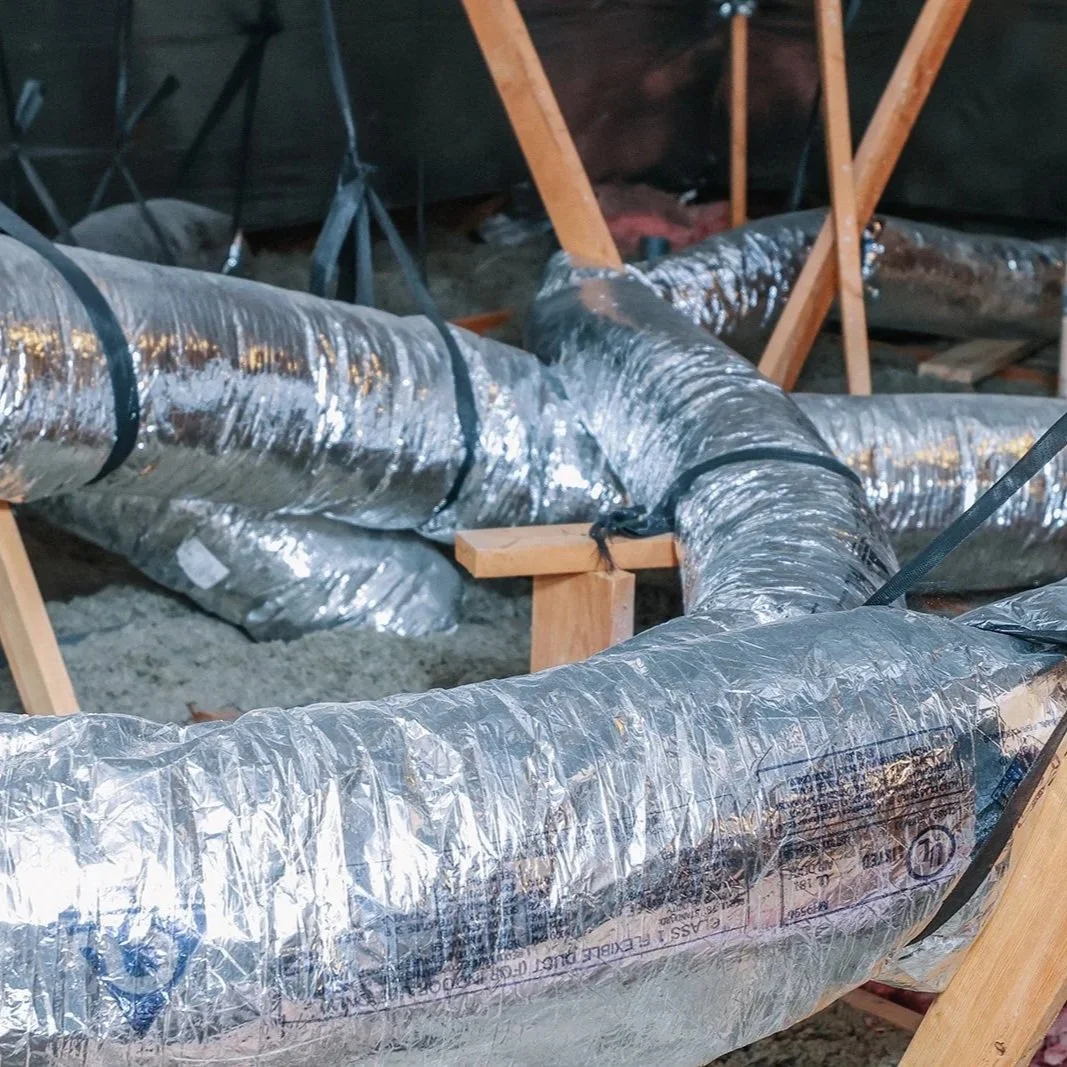
Proper duct installation and sealing hold the key to maximizing HVAC efficiency. Not just during peak summer heat or winter chills, but every single day the system runs.
HVAC systems are only as effective as the ductwork guiding the airflow. The sleek thermostat on the wall might take the credit, but it’s the network of ducts quietly carrying heated or cooled air that does the heavy lifting. When ductwork functions properly, comfort arrives without complaint. When problems lurk in the design or condition of those ducts, performance drops, energy usage spikes, and indoor comfort takes a hit.
Proper duct installation and sealing hold the key to maximizing HVAC efficiency. Not just during peak summer heat or winter chills, but every single day the system runs.
Guiding Air Without Resistance
Air prefers the path of least resistance. It flows better through straight, smooth routes than it does through tight turns, abrupt transitions, or leaky seams. Ductwork built with airflow in mind delivers that smooth passage. Rounded elbows, minimal sharp corners, and carefully balanced diameters reduce turbulence and pressure loss.
Proper sizing makes all the difference. Undersized ducts throttle airflow, putting stress on the blower motor. Oversized ducts drop pressure and slow delivery. When airflow isn’t optimized, the system works harder and longer to reach desired temperatures. That added strain shortens equipment life and drives up energy consumption.
Sealed ducts contain airflow with precision. Every connection—whether between elbows, trunks, branches, or vents—must be airtight to avoid waste. Mastic sealant or UL-rated foil tape seals the air, preventing it from escaping into attics or crawlspaces. Even small leaks scattered across a system can translate to big losses. Tightly sealed ducts ensure every bit of conditioned air reaches its destination.
Stopping Energy Loss Before It Starts
Ductwork leaks often go unnoticed until the utility bill tells a different story. Air escapes into the attic or basement, leaving the thermostat hunting for a temperature that never arrives. The HVAC system continues to cycle, wasting energy on air that never benefits a single room.
Sealing ducts at the time of installation prevents those losses from day one. In existing systems, resealing older connections restores performance that’s slowly slipped away over the years. Once sealed, airflow stays on track. Heat doesn’t drift into wall cavities, and cooled air doesn’t vanish into crawlspaces. The result is improved energy efficiency and fewer surprises from monthly energy statements.
Keeping Temperatures Consistent
Rooms that feel cooler than others—or hotter, depending on the season—often reveal a ductwork imbalance. Ducts running long distances or through uninsulated spaces struggle to maintain the right temperature. Weak airflow at one register and a gust at another show a system out of sync.
Proper duct installation brings balance. It delivers consistent pressure and volume to each part of the structure. That way, bedrooms at the far end of the house feel just as comfortable as those near the air handler. Sealing adds another layer of control, keeping airflow stable across all rooms, not just the ones closest to the unit.
Reducing HVAC System Strain
Every time ductwork loses air, the HVAC system compensates. Blowers run longer. Compressors cycle more frequently. Furnaces burn hotter. That extra effort leads to early wear on expensive components. Even minor inefficiencies in duct layout or sealing snowball into major mechanical stress.
Well-designed ducts work with the system instead of against it. Air moves freely through straight runs and efficient bends. Filters catch debris without being choked by undersized return ducts. Air handlers hum along without the groan of fighting pressure loss. In the long run, less mechanical strain means fewer breakdowns and more years of smooth operation.
Improving Indoor Air Quality
Leaky ducts draw in air from wherever they pass—dusty attics, damp basements, or even between wall studs where insulation crumbles. That pulled-in air joins the supply flow, spreading unwanted particles through the building. Allergy flare-ups, increased dust, and persistent odors often point back to unsealed ductwork.
Sealed ducts act like closed highways. Only conditioned, filtered air makes it through. The system becomes easier to maintain, and filters stay cleaner for longer. That means fewer allergens in the air, improved comfort for sensitive individuals, and less debris entering registers and returns.
Supporting Zoned HVAC Systems
Zoning lets homeowners fine-tune temperatures in different parts of a building. A bedroom might be cooler at night, while living areas stay warmer during the day. Without well-installed and sealed ducts, zoning fails to function. Leaks confuse dampers, and poor pressure balance ruins the entire concept of isolated control.
Ducts designed for zoning use controlled airflow paths to keep each zone distinct. Dampers adjust smoothly without whistling leaks. Each room receives only the air it needs. By properly segmenting the system, zoning saves energy and enables more precise control without overburdening the main unit.
Adapting To Unique Architecture
Not every building is a square box with straight walls and predictable airflow needs. Sloped ceilings, multi-level floor plans, additions, and renovations all present challenges for duct design. Standard solutions fall short in those situations, but custom ductwork brings back efficiency.
A good duct layout adapts to the structure, not the other way around. It tucks ducts into accessible runs, uses transition pieces wisely, and places registers where air has the best chance to circulate. It avoids long detours or cramped crawlspaces that create resistance. Sealing then locks in that efficiency, preventing the quirky layout from becoming a liability.
Insulating Ducts In Unconditioned Spaces
Where ducts pass through unheated attics or garages, insulation becomes essential. An uninsulated metal surface absorbs heat in the summer and sheds it in the winter, altering the indoor air temperature. By the time the air reaches the vent, it's already been compromised.
Insulated ducts protect airflow from external temperature shifts. Conditioned air stays within a narrow range as it moves from the HVAC unit to the room. That consistency supports energy savings and improves response time when the system activates.
Staying Ahead With Preventive Maintenance
Even well-sealed ducts need occasional attention. Over time, vibration, moisture, or structural settling can open small gaps or shift connections. Regular inspection and maintenance catch those changes early. Sealing tape may loosen. Mastic can crack. Connections might shift under the weight of years.
Routine checkups keep duct systems in peak shape. Minor resealing or patching prevents leaks from becoming major issues. Early detection helps avoid comfort complaints or unexplained energy spikes. Like an oil change for a car, duct inspections keep the system moving without unwanted surprises.
Ductwork As The Silent Contributor
HVAC systems draw attention when temperatures dip or rise, but ductwork rarely gets the spotlight. It doesn’t beep or glow. It doesn’t buzz or ding. But when designed and sealed correctly, it holds the entire system together. Air moves as intended. Energy use drops to reasonable levels. Comfort spreads evenly across every room.
Without properly installed and sealed ductwork, no HVAC system can perform at its best. It’s the difference between treating the symptoms and addressing the root cause. And while it might not earn the praise of a shiny thermostat upgrade, well-designed ducts deliver comfort, savings, and clean air day in and day out—with zero need for applause.
Above and Beyond Air Conditioning & Heating offers commercial air conditioning and heating solutions to San Antonio, TX, business owners to maintain an ideal indoor environment. We also have expertise in providing duct installation and sealing, thermostats, and indoor air quality solutions. Call us.