

Addressing Common Issues in AC Compressors
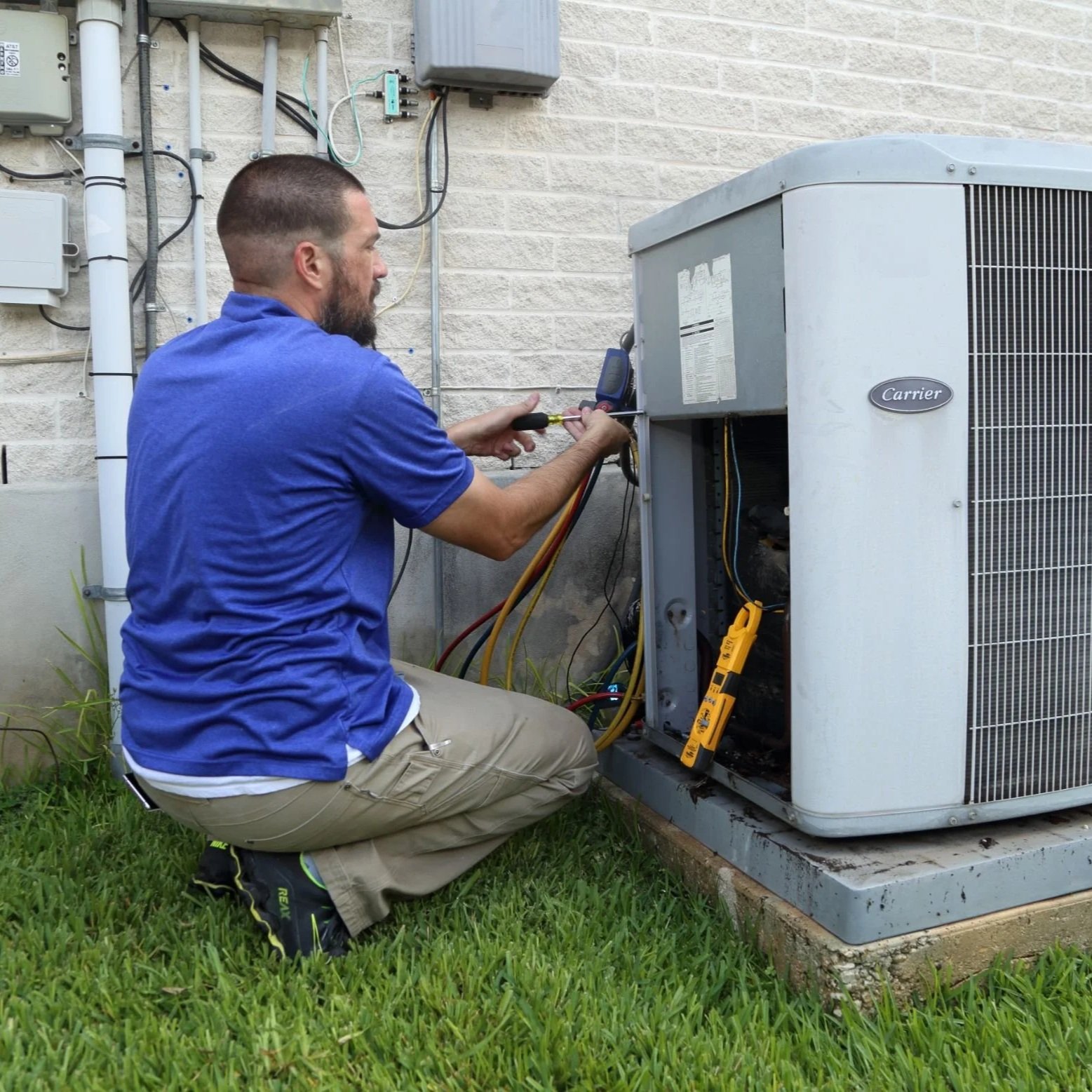
Keeping the compressor in top shape means fewer breakdowns, fewer headaches, and a lot more peace during summer’s heat.
Recognizing The Core Of Cooling Performance
The compressor holds everything together in an air conditioning system. It’s the engine that drives refrigerant through the coils, pulling heat from inside and pushing it outdoors. If the compressor falters, the entire operation slows down. Cooling weakens, energy use climbs, and the rest of the system starts aging faster than it should. Keeping the compressor in top shape means fewer breakdowns, fewer headaches, and a lot more peace during summer’s heat.
Noisy Operation That Won’t Quit
A healthy compressor runs with a low, steady hum. When that hum turns into a buzz, rattle, or full-on clanking performance, something’s off. Loose mounting bolts might be letting the unit vibrate more than it should. Bearings wear down over time, and internal parts can grind if lubrication runs low. Hissing often points to a refrigerant issue, while clicking might mean an electrical relay struggling to engage. Addressing noises early can head off more expensive damage down the line.
Trouble Starting Or Staying On
Compressors don’t enjoy playing peekaboo. A unit that tries to start and immediately shuts off may be facing a capacitor issue or an electrical fault. Hard starts might involve internal motor wear or voltage irregularities. When compressors won’t power on at all, the problem could stem from a failed contactor or tripped breaker, but deeper issues like winding failures may also be at play. Diagnosing the cause quickly avoids prolonged discomfort and prevents damage to the circuit board and fan motor.
Hot To The Touch And Running Constantly
Overheating turns a small compressor issue into a full-blown shutdown. When coils stay dirty or airflow gets blocked, the system works harder than it should. Refrigerant pressures rise, and the compressor starts baking itself from the inside out. A compressor running constantly without rest often indicates a refrigerant imbalance, dirty evaporator coils, or thermostat trouble. Ignoring these signs leads to high electric bills and shortens the lifespan of the unit. Letting the system cool, cleaning critical parts, and resetting components often bring relief.
Leaking Refrigerant And Lost Efficiency
Compressors rely on refrigerant for cooling power, and when that refrigerant escapes, so does performance. Leaks can form at joints, valves, or coils—especially if vibration or corrosion weakens the seals. Without enough refrigerant, the compressor works longer and harder, struggling to maintain the desired temperature. Over time, oil loss and pressure irregularities can trigger internal damage. Topping off the refrigerant without fixing the leak is a temporary bandage. Repairing the source and properly charging the system protects the compressor from long-term harm.
Electrical Failures Inside And Out
Electricity powers the compressor, and any hiccup in the power supply can cause big problems. Capacitors that fail silently, contactors that stick open, or wires chewed by critters all break the electrical circuit. The compressor may overheat, stall, or stop cycling entirely. In some cases, voltage spikes or lightning strikes can fry internal windings, leaving a strong burnt smell and zero operation. Replacing electrical components often restores full functionality, but repeated problems may indicate that the compressor is nearing its end.
Contamination Inside The System
Contaminants can enter AC systems through moisture, acids, or metal shavings. Each one brings its own trouble. Moisture mixes with refrigerant, forming corrosive acids that eat away at internal parts. Metal debris from worn bearings can clog expansion valves or scratch cylinder walls. Acid buildup from burnt windings corrodes the system from the inside. Once contamination spreads, flushing the system becomes critical before installing a new compressor. Otherwise, the new part may suffer the same fate as the last.
Wear From Everyday Use
Compressors aren’t built to last forever. Daily startup cycles, long hot seasons, and fluctuating refrigerant levels wear them down over time. Seals dry out, oil gets dirty, and the motor gradually loses strength. Eventually, the compressor may lose the pressure needed to move refrigerant efficiently. Older units often run louder and cost more to operate than newer models. When repeated repairs start to resemble a patchwork quilt, full compressor replacement usually delivers better long-term results.
Matching The Right Compressor To The System
Not all compressors fit all systems. Sizing matters—too small and it struggles, too large and it short cycles. Matching refrigerant type, voltage, and capacity keeps everything running in sync. Replacing an old unit with a high-efficiency model can refresh performance, reduce energy use, and extend the life of indoor components. On the other hand, an improperly matched compressor leads to reduced cooling, inconsistent temperatures, and mechanical stress that wears down the system faster than necessary.
Monitoring Pressures And Performance
Service technicians rely on pressure readings to understand compressor health. High head pressure could mean restricted airflow, dirty coils, or a fan that’s lost its drive. Low suction pressure might signal a refrigerant shortage or a clogged evaporator. Balanced pressures indicate a system that’s breathing easy. Technicians also test the amperage draw to make sure that the compressor isn’t pulling more power than it should. Tracking these numbers over time reveals performance trends and signals trouble before a complete failure strikes.
Preventing Problems Through Regular Maintenance
Routine service acts like a tune-up for the compressor. Cleaning coils, replacing filters, and testing capacitors all help the system stay in balance. Maintenance checks also catch small problems before they balloon into major breakdowns. Seasonal inspections focus on pressure levels, refrigerant condition, and airflow integrity. Keeping vegetation away from the outdoor unit prevents airflow restrictions and protects electrical components from damage. A clean, well-maintained compressor lives longer and serves more efficiently than one left to fend for itself.
Deciding When It’s Time To Replace
Eventually, every compressor faces the final decision—repair or replacement. If the unit has failed multiple times or relies on an outdated refrigerant, replacement is usually the better option. Costs associated with labor-intensive repairs or sourcing rare parts can quickly rival the cost of a new system. Newer compressors bring better technology, greater reliability, and tighter energy standards. They often qualify for energy rebates and deliver better indoor comfort with less noise and more consistent performance.
Protecting Comfort Year-Round
Air conditioners don’t always fail at the most convenient moment. Heat waves, summer storms, and marathon cooling cycles put compressors to the test. When they’re healthy, they handle the job without complaint. When they struggle, indoor comfort suffers. Whether it’s a quick capacitor swap, a refrigerant recharge, or a full compressor replacement, addressing problems early protects comfort throughout the season. Trained eyes, steady hands, and a good maintenance plan turn small hiccups into manageable fixes instead of full-blown disasters.
Keeping The System Balanced
Compressors don’t operate in isolation. Their performance depends on everything around them—clean filters, working fans, balanced refrigerant, and healthy electrical connections. Addressing common compressor problems requires a full-system approach. Each repair helps restore balance, reduce wear, and support overall system health. Like a perfectly tuned orchestra, a well-maintained compressor keeps everything moving in harmony, with cool air, quiet operation, and stress-free performance leading the way.
Do not let AC issues make your home or place of business feel uncomfortable. Whether you need AC refrigerant leak repair, AC condenser repair or replacement, compressor repair or replacement, or AC fan motor repair or replacement, trust our technicians to do the job right the first time. Call us for a consultation.